
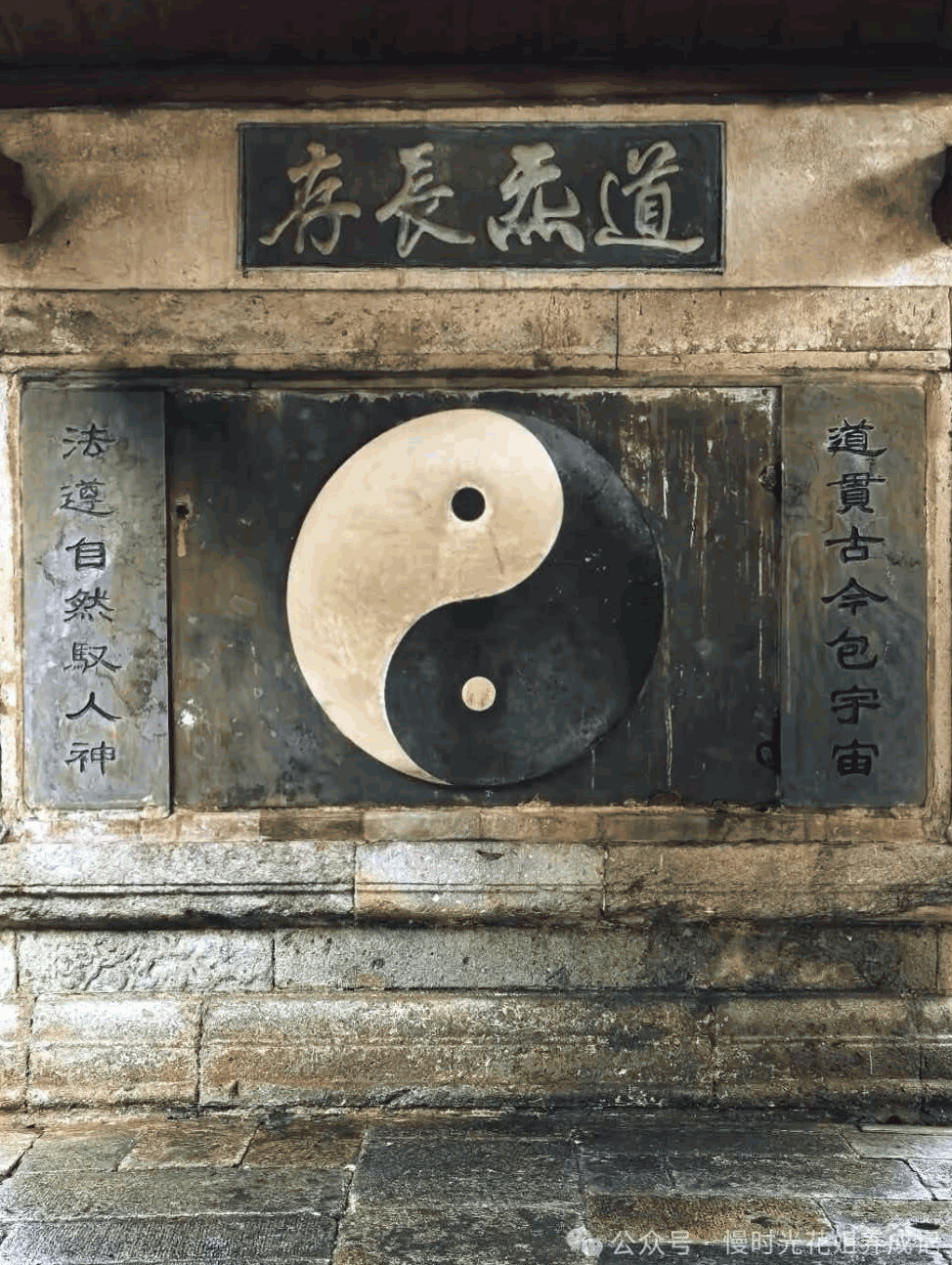
One of the questions I am asked most often, usually over a cup of tea after class, is this: what is the difference between tai chi, qigong and neigong? They sound like cousins, and in a way they are.
It all begins with ‘gong’
All three share one small word: gong. It is the same gong you hear in kung fu, and it means work. Not hard labour, but skill that grows from focused practice, returned to again and again over time. Kung fu was never only about fighting; you can have kung fu in calligraphy, in cooking, in tending a garden, in tea ceremony. So each of these practices is a kind of patient, attentive work. What changes is where that work is directed.
I have been on this path for almost 25 years, with twenty years of tai chi woven through it, taught by two Taoist Masters, one of them in China who still mentors me today. Here is how I understand the three, and how they live in my own practice.
Tai chi: the body in expression
Tai chi is the one most people picture: a group moving slowly and gracefully through a park at dawn. Its heart is the form, a long sequence of movements that flow one into the next, and learning it asks something of your memory as well as your body.
The focus is on physical expression. Where are your feet? Is your spine long, your pelvis settled, your shoulders soft? Posture and alignment are everything, because when the body is well organised, energy can move through it freely. It is a beautiful discipline, and a lifelong one. More than twenty years in, I am still refining the same movements.
Qigong: tending the inner fire
Qigong turns the attention further inward. The postures are simpler, and there are no long sequences to memorise, so the mind can stop worrying about what comes next and settle into what is happening now. Relax, relax more.
Here the work is cultivating ‘qi’ itself. Students often notice warmth gathering in the hands and belly, a gentle internal heat, and a sense of being quietly recharged. Qigong tells the body that it is safe to heal; it is like a natural reset button, putting the body into a state where it can begin healing itself. The health benefits are many, from calmer nerves and better sleep to steadier energy.
I know this from the inside. Qigong was central to my own recovery from Guillain-Barré syndrome, and it is why I teach it in a gentle, internal style that works even for people who are chair-based or bedbound. It is also the foundation of the Qigong project I delivered with the NHS. You do not need to be strong or flexible to begin. You only need to arrive.
Neigong: the inner work
Nei means internal, and neigong is the most inward of the three. Much of it happens in seated meditation, with very little outward movement at all. Having gathered qi, we learn to circulate it consciously through the body's pathways, and then to sense how that inner flow connects with the wider cosmos around us.
This is the Taoist idea of micro and macro: the water in our bodies with the waters in the oceans, our breath with the turning of the seasons. What we are doing is beyond words, and it rests on a settled foundation. That is why I usually coach neigong only after a student has a few years of steady basic training behind them.
Three doors, one house
I think of them as three doors into the same house. Tai chi enters through the shape of the body, qigong through the cultivation of qi, and neigong through the stillness within. Each one deepens the others.
In my classes, qigong is the heart of what we do. But two decades of tai chi have left their mark, so you will find some short forms and moving meditation woven in, with care for posture and alignment. And for those who stay with the practice, and so many gorgeous souls do, neigong is there waiting when the time is right.
If you are curious, the simplest way is to come and try a class, online or in person here in Yorkshire. No experience needed, nothing to memorise, and nothing to strain for. Just come as you are, and let the practice meet you there.